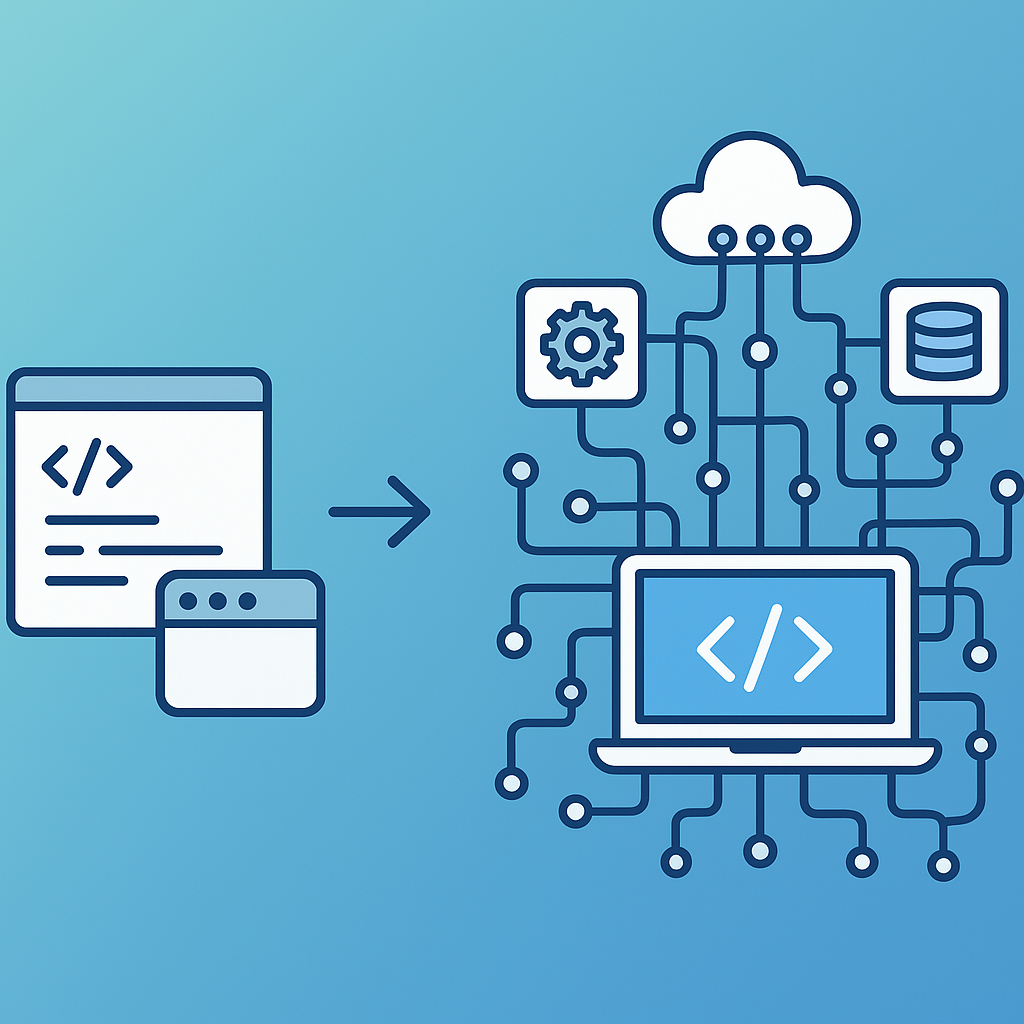
In an era where digital presence dictates market relevance, the ability to conceive, build, and maintain robust web applications is no longer confined to specialized tech teams. Business leaders, founders, and technical decision-makers increasingly recognize web development as a core strategic asset, central to innovation, customer engagement, and operational efficiency. The landscape of web technology evolves at a dizzying pace, presenting both immense opportunities and significant challenges for those looking to harness its full potential.
The journey from a foundational understanding of web mechanics to achieving full-stack mastery might seem daunting. However, it is a path rich with logical progression, creative problem-solving, and tangible results. This comprehensive guide is designed to demystify that journey, offering a clear, authoritative roadmap for professionals navigating the complexities of modern web development. We will unpack the essential concepts, explore critical technologies, and illuminate the pathways to not just understand but genuinely master the craft of building the web.
By the end of this article, you will possess a holistic understanding of the web development ecosystem, from the client-side user experience to the server-side logic and database architecture. We will equip you with the insights needed to make informed decisions, whether you’re embarking on a personal learning curve, overseeing a development team, or simply aiming to converse with greater fluency in the language of digital creation. Prepare to transform your perspective on how the web is built, and how you can play a pivotal role in shaping its future.
The Enduring Pillars: HTML, CSS, and JavaScript
At the very heart of every website and web application lie three foundational technologies that form the bedrock of the internet: HTML, CSS, and JavaScript. Understanding their individual roles and synergistic relationship is the absolute first step for any aspiring web developer or anyone seeking to comprehend the web’s structure.
HTML: The Structure of Content
HyperText Markup Language (HTML) is not a programming language but a markup language. It provides the fundamental structure for web content, defining elements such as headings, paragraphs, images, links, and forms. Think of HTML as the skeleton of a webpage, organizing its content semantically. Without HTML, a webpage would be a chaotic stream of unformatted text and images.
CSS: Styling and Presentation
Cascading Style Sheets (CSS) is the language used to describe the presentation of web pages, including colors, layout, and fonts. It dictates how HTML elements are displayed on screen, paper, or in other media. If HTML is the skeleton, CSS is the skin, hair, and clothing, transforming raw structure into visually appealing and brand-consistent interfaces. Its power lies in separating presentation from content, allowing for efficient, site-wide design changes.
JavaScript: Interactivity and Dynamic Behavior
JavaScript (JS) is a high-level, interpreted programming language that brings interactivity and dynamic behavior to web pages. It enables complex features like interactive maps, animated graphics, form validations, and asynchronous content loading without requiring a full page refresh. JavaScript is the brain and nervous system of a webpage, responding to user actions and fetching data in real-time, making static HTML and CSS come alive. Together, these three form the
Leave a Reply